
Official UK partner to the Paradors, Pousadas, Pestana Hotels & Resorts,
Teritoria, and European Hotels Collection. Keytours International,
formerly Keytel International, your agent in the UK.
Portugal is one of the easiest and most enjoyable countries to explore by car and boasts very varied landscapes - from the hills of Estrela and the Gerês National Park to the beaches of the Atlantic and the broad estuary of the Tagus – and grand cities and towns that pepper the history books of the great explorers, the Golden Age and the Napoleonic wars in particular.
You can combine days of exploring Portugal’s historic city centres with gentle or strenuous exercise walking through inspiring green valleys and along wonderfully quiet sandy beaches, and visiting its port wine houses and up and coming wine estates.
Enjoy its Mediterranean style cuisine and its calm pace, without needing to know much of its language.
In seven days you can scratch the surface of Portugal enough to enjoy yourself immensely without pressure, although you may find yourself coming back for more year after year.
DAY 1: We recommend setting off from Porto airport to explore the charming city of Porto and all it has to offer followed by a stay in one of the beautiful Pousadas or Pestana hotels.
DAY 2: Continue exploring the city's historic centre or take the panoramic train or a riverboat along the river Douro to enjoy the wonderful scenery at a leisurely pace. In the evening enjoy a relaxed aperitif and some Portuguese cuisine in the historic quarter of Porto and a stroll by the river before heading back to your hotel for a well earned rest.
DAY 3: Any visit to northern Portugal should include a visit to the ‘birthplace ‘ of Portugal – Guimaraes – and its small, pretty old quarter. En route you could even schedule a stop in one of the port wine estates to sample the wonderful varieties and learn more Britain played in the development of this delicious wine. You could spend a night in the lovely Pousada de Guimaraes, or head south to the Pousada de Viseu, an excellent example of Pousadas’ ambitions to blend the old with the new in this lovingly renovated historic hospital and you will enjoy a comfortable night here with excellent cuisine.
DAY 4 : Heading south, make sure to stop off at the medieval village of Óbidos with its burrow of narrow, historic streets and colourful shops and eateries. The Castle of Óbidos is home to its Pousada with unique bedrooms and wonderful views of the sprawling surrounding countryside. You could decide to spend a night in the Pousada here, or head further south and enjoy a relaxing stop in the pretty coastal town of Cascais and the imposing Pestana Cidadela de Cascais.
DAY 5: Lisbon is only a short train ride or drive from Cascais and within the area you can also enjoy the famous towns of Estoril and Sintra – with its colourful palaces and castle up on the hill. You can also enjoy some great surfing beaches nearly such as Guincho.
Day 6: Lisbon has so much to offer in terms of historical buildings, excellent cafes and restaurants and a plethora of museums and music venues, we are sure you will want to spend time exploring the historic centre by foot or on one of its classic yellow trams.
DAY 7: Now this might be where you decide to extend your trip to enjoy the warm climate of the Algarve and its beaches, or several nights around Sagres, Faro or the Spanish border. We would recommend at least one night at the tranquil and ‘manicured’ Pousada de Estoi near Faro, which leaves you well, positioned to enjoy the beaches of the Faro area and the marine park or to head the wonderful town of Tavira – Venice of the Algarve – and its 37 churches.
If you only had 7 days to explore Portugal, this would be our recommendation, but if you feel you deserve some decent rest and relaxation at the beach you have the whole of the Algarve to enjoy!
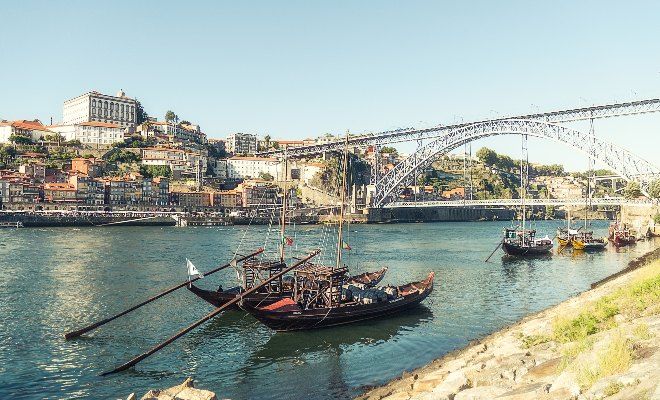
Integral to Portuguese maritime expansion, the historic city of Porto changed the world as the birthplace of Prince Henry the Navigator. Today it's perhaps best known for its connections with the export of Port wine and as a wonderful destination for a city break.
Walk through the historic city centre you cannot fail to be impressed with the architecture, whether it's the towers of the fortress Sé looming above the city, the imposing Clerigos Tower, the decoratively tiled vestibule of the Sao Bento train station or the fine Dom Luis I bridge which was designed by one of Gustave Eiffel's student. As you walk through you can pick out examples of the Romanesque, Gothic, Baroque, Neo Classical and Industrial-architectural styles that sit side by side, so it comes as no surprise that the historic centre has been granted UNESCO World Heritage status.
Wander the riverside following the Ribeira Circuit. Taking you down from Sao Nicolau to the Traders' Palace past Casa do Infante, one of the city's defining landmarks, and across the Ribeira Square to the Institute of Port. Take a short walk as far as the a Ferreira Borges market place to see a fine example of wrought iron architecture one of the best such ironwork in Porto, rivalling the Maria Pia and D. Luis bridges. Why not relax after a busy day of exploring with a glass of port or a delicious meal in one of the riverside restaurants and bars and take in the bustle of Ribeira?
Cultural visits include the Serralves Museum and Faculty of Architecture, the Casa da Música and its host of musical events and performances, and the World of Wine, a complex of museums and wine cellars designed to explore the history of port wine and its importance to the region.
A cheap tram ticket is all it costs to make the trip to Foz do Douro, a quieter coastal area offering excellent promenades along the seafront. The journey comes complete with panoramic views of the Atlantic Ocean and passes the Museum of the Tram for more information about your chosen mode of transport. You can also take tram no. 18 from Rua do Carmó and en route observe the exterior tile panelling on the Church of Carmó and the imposing Neoclassic façade of the Santo Antonio Hospital. Avenue Montevideu, with its restaurants and terraces, is an ideal stop for a drink and a rest.
All trips to Porto have to involve one of the world's most famous wines: port. Visit the places that defined the history of port, such as the Vinho do Porto manor house and the museum. Crossing over the Dom Luis I bridge takes you to Vila Nova de Gaia where many of the port cellars are located and you can head in for a wine tasting and tour.
We have a number of excellent hotels in Porto including the beautiful Pestana Pálacio do Freixo and Pestana Porto Douro Riverside which both enjoy riverside views a 10 minute drive from the centre. For those wanting to stay in the very centre, we recommend the Pestana Vintage Porto on the Ribeira bankside, the Pousada Rua das Flores for easy access to the shopping streets and cafes, and a number of other central hotels.
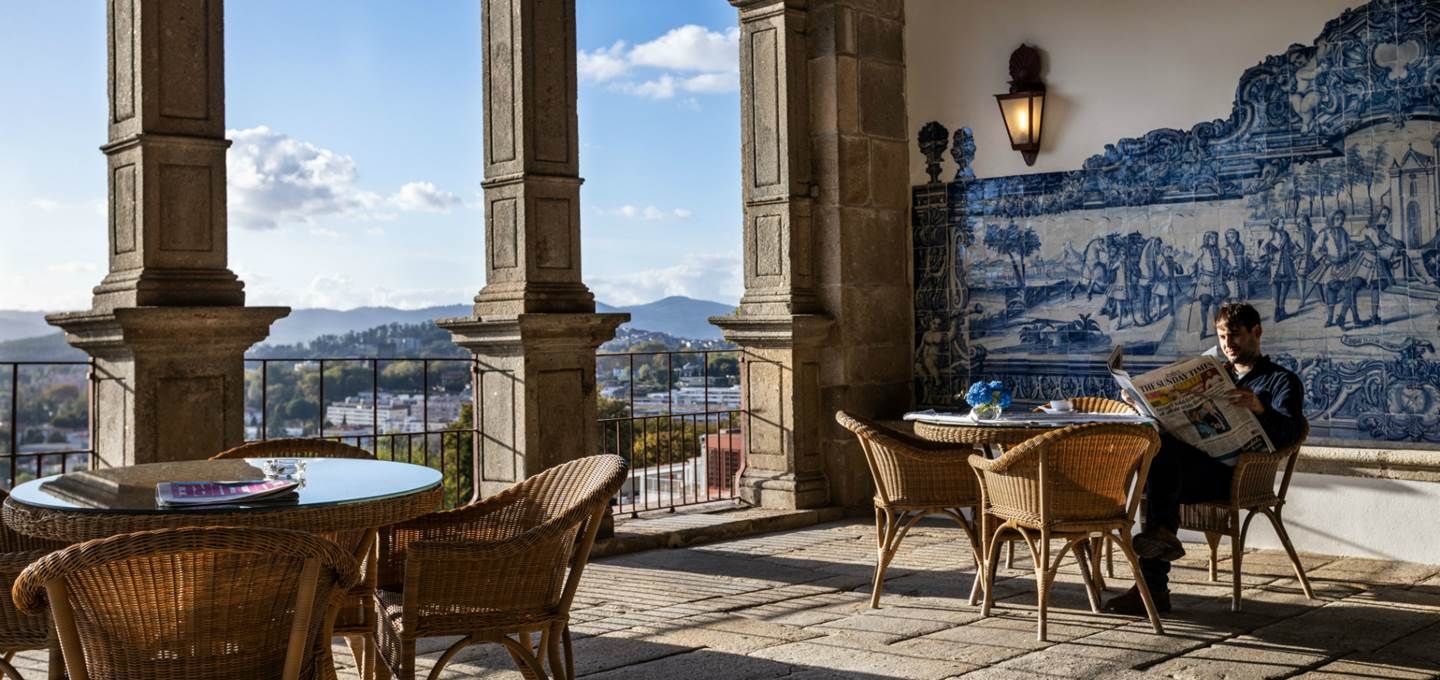
Guimarães is known as the 'birthplace of Portugal' as it was the birthplace of Portugal's first king, Afonso Henriques and thus is one of the country's most important cities. The endless historical buildings and medieval streets earned Guimarães UNESCO World Heritage Status in 2001 and it was the 2012 European Capital of Culture.
The Pousada de Guimarães is located in the very heart of the city in a former 12th century monastery on the Nossa Senhora de Oliveira square, just one possible departure point for a tour of the historic centre. Alongside the Pousada stands the impressive Collegiate Church of Guimaraes from where Pedro Hispano set off to Rome to become John XXI, the only Portuguese Pope thus far in the history of the Catholic Church.
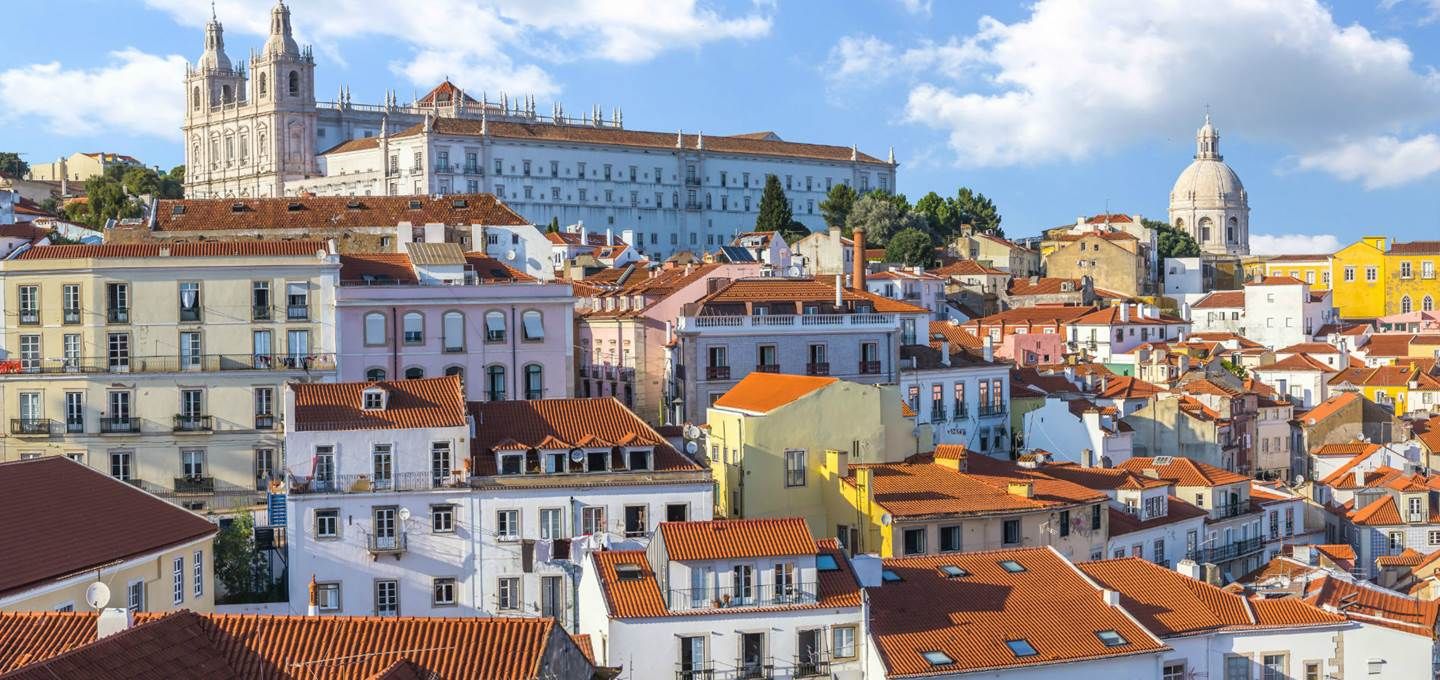
Portugal's capital is a vibrant city full of history and culture. Head up any one of the city's seven hills and discover a neighbourhood packed with its own history and charm. The Chiado area is home to historic cafes frequented by the writers and artists that so enriched 19th century Portuguese culture, as well as an excellent shopping district. Or head down Rua Augusta to the Praca do Comercio (where you'll find the Pousada de Lisbon) on the riverbanks of the Tagus. An icon of Lisbon is the classic yellow No. 28 tram which transports you to one of the city's most characteristic neighbourhoods, the Alfama District, home to the Sé Cathedral of Lisbon, the Castle of São Jorge and famous for the haunting Fado music that echoes through its streets of an evening.
To enjoy the best views of this colourful city, travel up to the top of one of its seven hills on the lifts or historic funicular railway lines to one of many 'miradouro' viewing points, each offering a unique vista.
Did you know that Lisbon is the only European capital with Atlantic beaches? You can take a train westbound along the north bank of the Tagus estuary and you will discover mile after mile of golden sandy beaches and beautiful coastal views. The charming resorts of Estoril and Cascais are home to a number of royal castles - a stunning legacy of the times when the Kings of Portugal spent their summers here. The same route stops off at Belém, one of Lisbon's suburbs and home to a wealth of cultural attractions such as the Gothic San Jerónimos Monastery, the Tower of Belém, the Discoveries Monument and one of the oldest 'pastel de nata' bakeries where you can enjoy this sweet treat overlooking the Tagus.
Nature: The Lisbon region is blessed with remarkable concentration of natural beauty, with the sea to the west, the river Zezere and the river Tagus to the north east and the estuary of the river Sado to the south. Some of the region's most spectacular natural features include : the Natural Parks of Serras de Aire e Candeeiros, Sintra Cascais and Arrabida; the Protected landscape Areas of the Serra de Montejunto and the fossil cliff of costa de Caparica; as well as the Nature Reserves of Paul do Boquilobo, Berlengas, The Tagus estuary and the Sado estuary (home to the Pousada de Alcácer do Sal).
If you choose to stay in Lisbon itself we have a number of hotels including the aforementioned Pousada de Lisboa in Praça do Comércio and the Pousada Alfama, as well as the Pestana Cidadela Cascais set in a old fortress overlooking Cascais' marina.
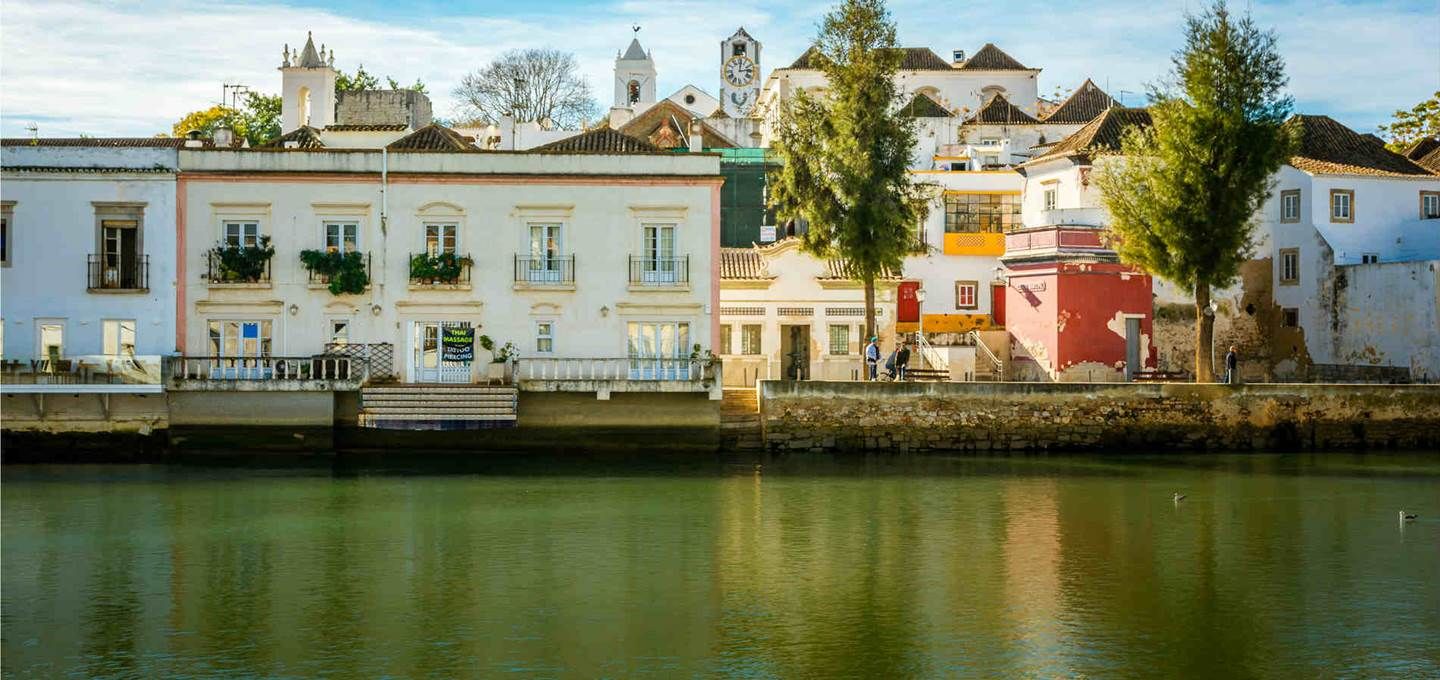
On summer evenings, join the crowd around the gracious garden bandstand by the riverfront enjoying the evening performance. By the light of the day, stop halfway over the bridge and look back on the white houses and their unusual trussed gable roofs and the hill peeking out just above the medieval battlements next to the church towers of Santa Maria and Santiago built where two mosques once stood.
Head through the original medieval gateway and take in the fine Renaissance entranceway to the Misericordia, one of Tavira's 37 churches, and the magnificent frontage of the Galaria Palace. Perched high above the walls, the tower of Alcaçova is the best viewpoint out over the city with its waves of roofs and the line of sea blue reaching out to the horizon. Wander these old streets and peek through the lattice doorways, recall the prayers of fishermen in the church of Our Lady of the Waves. Then, cross the river and choose a riverbank restaurant for a break. With energies renewed, head up the small hill next to the Santa Maria end visit two more of those 37 churches, Sao Paulo and Carmo.
Alternatively you could take a water-taxi out to the sand bar where you can enjoy one of the Portugal's famous beaches, or to the Marine Reserve nearby.
Whilst here stay in the lovely Pousada de Tavira, a bright 16th century convent in the heart of the city, or the Pousada de Éstoi (near Faro) which is just a 25 minute drive away and explore this pretty pink palace and its splendid gardens.
For more inspiration on exploring Portugal by car, check out some of our Pre-Set Pousada Itineraries with each route featuring hand-picked Pousadas which best represent the various regions and areas of cultural interest at excellent prices.
Call our team on 0207 199 6360 to help plan your itinerary through Portugal and recommend the best Pousadas and Pestana hotels suited to your requirements.